Jaksic Stonemasonry
Workshop and Gallery
Donji Humac 75,
21423 Nerežišća
Island of Brač, Croatia
Museum night in Jaksic gallery - Hommage to "Master" Lovro Jakšić (1910 - 1981)
30.01.2016.Exhibition in Honour of “Meštre” Lovre Jakšić – Museum Night on the Island of Brač
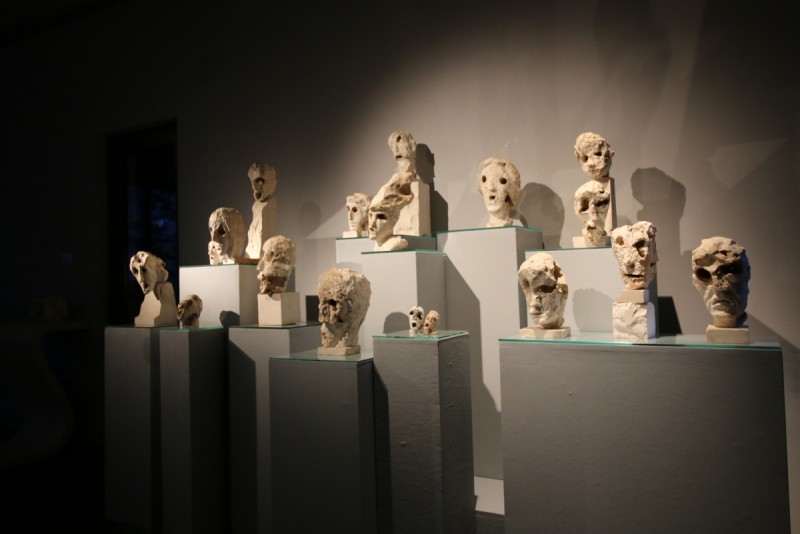
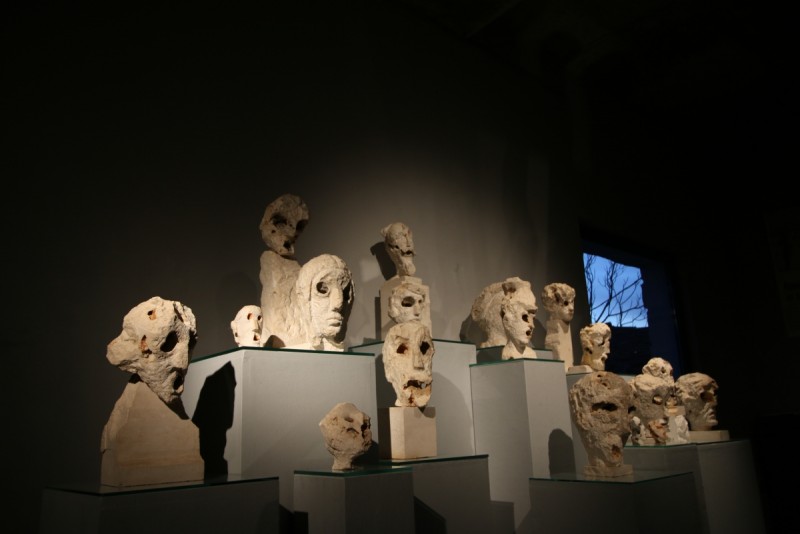
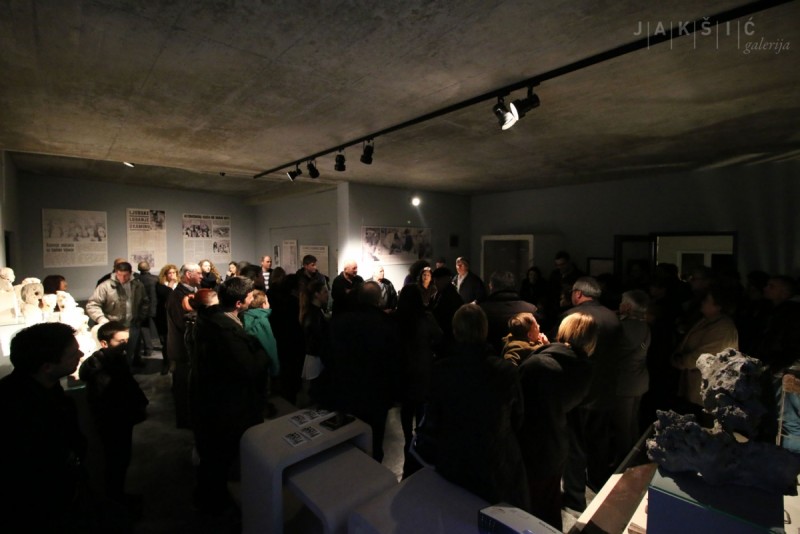
This year’s Museum Night on the island of Brač was especially emotional and inspiring for the Jakšić Gallery. The theme of the event encouraged us to prepare a dedicated exhibition in honour of our grandfather, the late “Meštre” Lovre Jakšić – a man whose artistic and stonemasonry legacy strongly shaped our family history and the cultural heritage of the island. Lovro was the founder of the Jakšić Gallery and one of the key heirs of our family stonemasonry workshop, established in 1903 and celebrating 113 years of uninterrupted work.
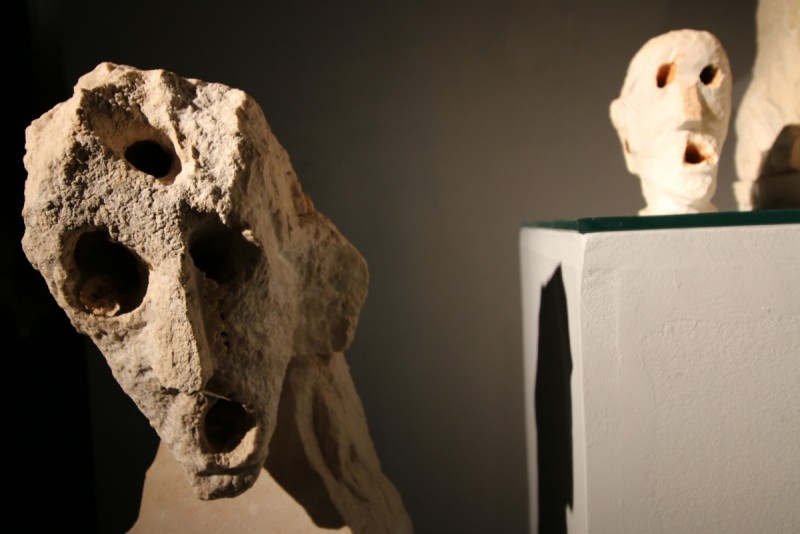
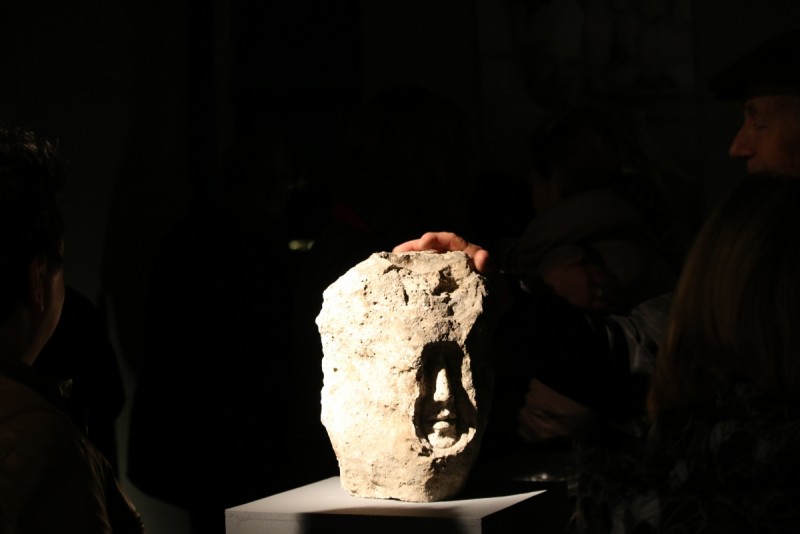
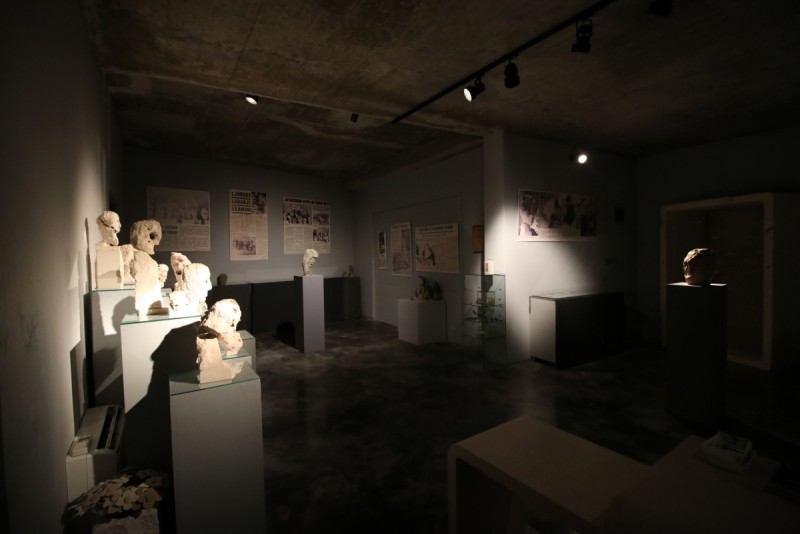
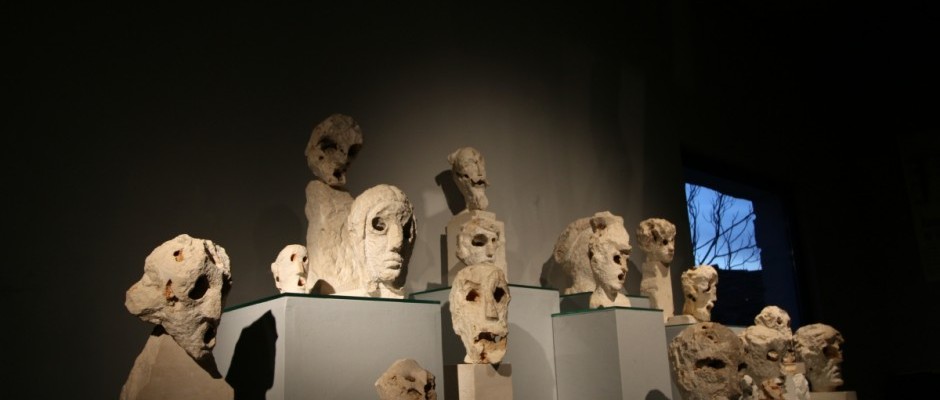
The central part of the exhibition presented his remarkable series of sculptures titled “After the Atomic War” created between 1965 and 1975. These works reflect his deep fascination with the natural world, especially with stone, its structure and natural deformations. Lovro would discover faces in the irregularities of rocks – forms that nature had already begun to “carve”. From these findings he created powerful, unsettling sculptures: heads and faces without eyes, without soul. He described them as “faces that endured torment”, a visual metaphor for the fear of a possible atomic war, a major theme of the 1960s and 1970s.
What makes these works truly unique is that Lovro was a self-taught sculptor, yet his artistic expression was exceptionally strong and ahead of its time. His sculptures radiate raw energy, authenticity and expressive power rarely seen. His innovative approach attracted significant media attention, and numerous articles from the 1960s and 1970s were dedicated to his work. We enlarged and displayed all of these archival texts, giving the exhibition an additional historical value.
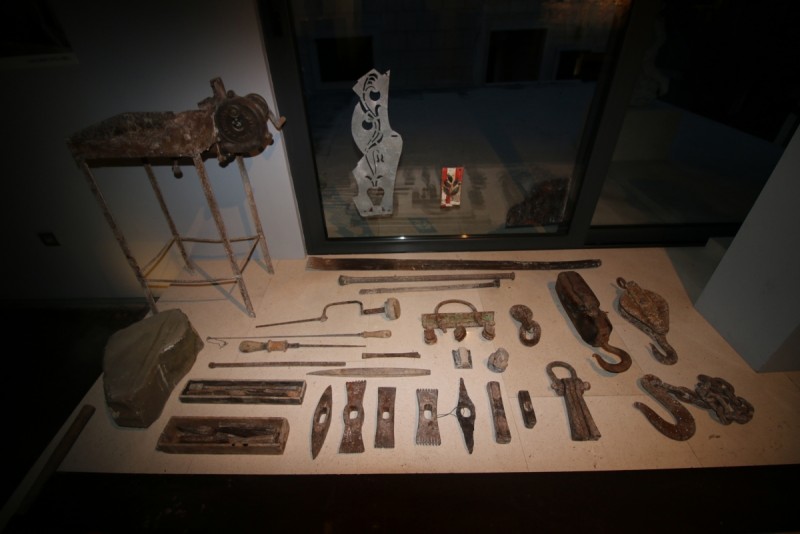
Alongside the sculptures, we exhibited traditional stone-carving tools used in the workshop before modern technological advancements, offering visitors insight into the craftsmanship that shaped our century-old family story.
The exhibition was met with great interest, and this year’s Museum Night on Brač once again showed how strongly heritage and art can connect generations.